You can live a few blocks from one of Los Angeles’ busiest beachfronts and still start your morning on a quiet residential path beside seawater canals. That contrast is what makes Venice so memorable, and for many buyers, so intriguing. If you are trying to picture what everyday life really feels like between the Venice Canals and Abbot Kinney, this guide will help you understand the rhythm, layout, and practical trade-offs of the area. Let’s dive in.
Venice Life Is Built on Contrast
Venice is best understood as a pedestrian-oriented coastal neighborhood with distinct pockets that sit close together. City planning materials describe connections between residential neighborhoods, commercial centers, open space, waterways, and recreation areas, all within a compact coastal setting.
That means your daily routine can change block by block. In just a short walk, you may move from a calm canal path to a busy retail stretch to the constant motion of Ocean Front Walk. For buyers who value walkability and variety, that mix is a big part of the appeal.
The Venice Canals Feel Residential
The Venice Canals are a historic residential district located just a few blocks from Venice Beach. The district is listed on the City of Los Angeles Historic Places Register and the National Register of Historic Places, reflecting its long-standing place in Venice’s identity.
What stands out most is the setting. These are not decorative water features tucked behind gates. The canals are real seawater channels filled from Ballona Lagoon and the Pacific Ocean, with water levels managed by the city.
Canal Homes Have Eclectic Style
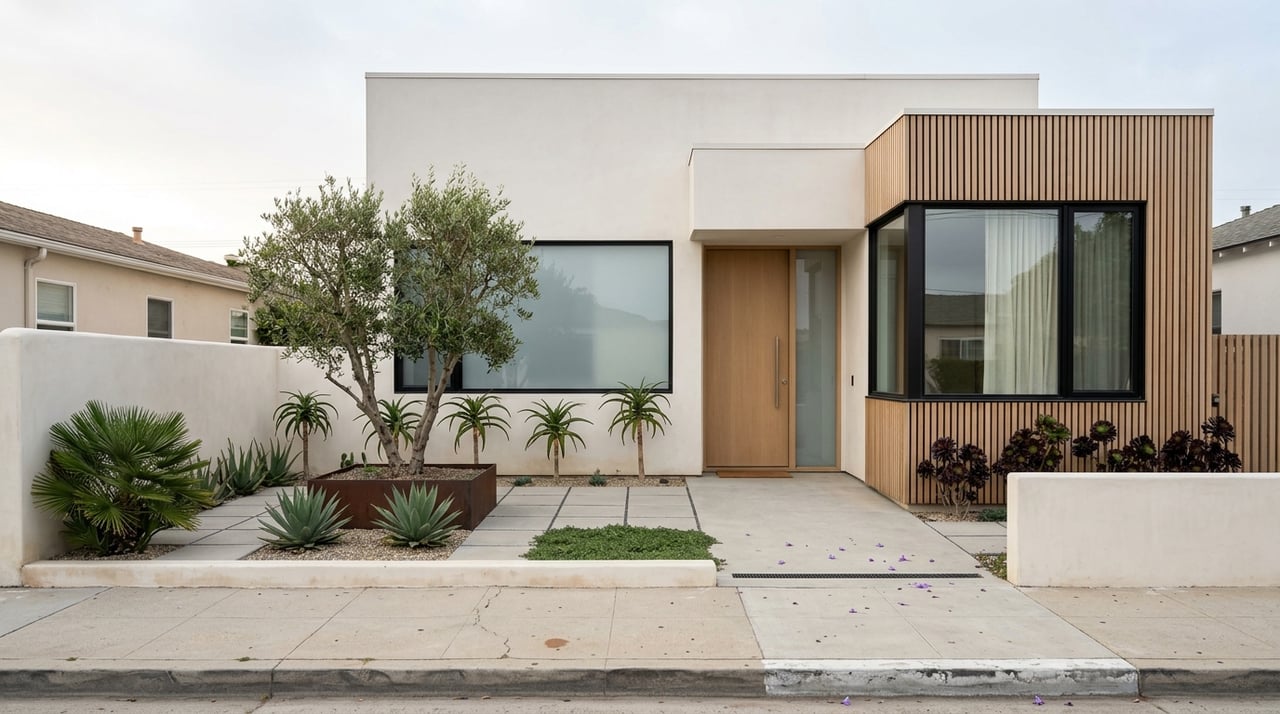
If you are expecting a single architectural look, Venice will likely surprise you. The canal district includes Venetian villas, Spanish casitas, beach houses, ultramodern glass homes, and some original one-story bungalows.
That variety gives the area a layered, lived-in feel. Instead of a master-planned look, you get a neighborhood with visible history and a lot of personality. For buyers, that often means each block and property can feel very different from the next.
Canal Mornings Are Quieter by Design
The canals are open year-round, and the area is part of everyday neighborhood life. Residents may be out walking dogs, gardening, or strolling with children, which helps explain why the district often feels more inward-facing than the nearby beach.
There are also practical details that shape the experience. Sidewalks are narrow, visitors are asked to walk bikes, and there is no visitor parking inside the district. If you picture yourself living nearby, it is helpful to think of the canals as an active residential area first and a sightseeing stop second.
Abbot Kinney Supports Daily Routine
Abbot Kinney Boulevard is often known as a destination street, but it also works well as a day-to-day commercial corridor. The official boulevard association describes it as a mile-long stretch of shops, restaurants, and galleries set within a mix of older bungalows and modern buildings.
For everyday living, that matters. A street with coffee shops, casual dining, trattorias, vegetarian food, ice cream, bars, and galleries can support repeated routines, not just weekend plans. You can picture quick morning stops, lunch meetings, easy dinners, and evening walks all happening within the same corridor.
The Street Has Strong Visual Identity
City planning materials point to Abbot Kinney as a unique pedestrian-oriented community center. They also emphasize preserving and reusing early 20th-century brick buildings and Craftsman structures, which helps maintain the street’s character.
That architectural continuity gives the boulevard more substance than a typical retail strip. It feels curated, but still rooted in Venice’s history. For buyers, that can make the area feel more established and more walkable in a practical sense.
Abbot Kinney Also Anchors Events
Abbot Kinney is not only about errands and dining. City planning documents also identify the boulevard as part of Venice’s civic life, with events such as the Abbot Kinney Festival and Venice Art Crawl tied to the area.
That gives the street a social-calendar role too. Depending on the time of year, your local commercial corridor may also become a gathering place for community events and public activity. If you enjoy living near energy and foot traffic, that can be a meaningful part of the neighborhood experience.
The Beach Brings Constant Motion
Venice Beach is the area’s high-energy counterpoint. Los Angeles Recreation and Parks describes it as the city’s busiest facility, with roughly 28,000 to 30,000 daily visitors to the boardwalk and adjacent property, plus more than 10 million visitors each year.
Ocean Front Walk stretches more than two miles and includes hundreds of vendors and performers along with restaurants and food venues. In practical terms, this means you are never far from activity, especially near the beachfront.
Public Spaces Shape the Neighborhood
City planning materials identify the beach, pier, skate park, bike trail, recreation center, and boardwalk as core public amenities that are free and open during permitted hours. These spaces are used by both locals and visitors for volleyball, skateboarding, roller skating, bodybuilding, basketball, soccer, and informal games.
That public access is part of what makes Venice feel so open and animated. It also means the neighborhood has a very visible shared life. If you want a coastal setting with real movement and constant people-watching, Venice delivers that in a way few Los Angeles neighborhoods do.
Getting Around in Venice
Venice works best when you think beyond driving alone. City planning materials describe the community as pedestrian- and bike-forward, with bike paths along Ocean Front Walk and the California Coastal Trail, bike lanes on Venice and Washington Boulevards, and docked bike share service in the Venice Coastal Zone.
That setup supports short local trips well. If your routine includes grabbing coffee, heading to the beach, or moving between neighborhood pockets, walking or biking may feel more natural than using a car for every stop.
Transit Exists, but Rail Is Not the Center
Local transit service includes Metro, Santa Monica Big Blue Bus, Culver City Bus, and LADOT Commuter Express along corridors such as Lincoln, Venice, Washington, Abbot Kinney, Main/Windward, and Pacific. Metro Bike Share also supports 24/7, year-round access on the Westside.
For many residents, the practical takeaway is simple. Venice can work well if you are comfortable combining walking, biking, buses, and short car trips. It is less about rail-centered commuting and more about using a mix of transportation options depending on the day.
Parking Is Part of the Real-Life Picture
Parking pressure is worth thinking about if you are considering this area. The canal district does not offer visitor parking inside it, and the boardwalk draws very large daily crowds.
That does not mean the neighborhood is hard to enjoy. It means daily logistics matter, especially if you expect frequent guests or regular driving. Buyers who understand that trade-off early tend to have a clearer picture of whether this part of Venice fits their routine.
What Everyday Life Really Feels Like
The best way to picture life between the Venice Canals and Abbot Kinney is to think in sequences. A quieter morning near canal paths can lead into a coffee run or lunch on Abbot Kinney, followed by an afternoon walk toward the beach or boardwalk.
That mix is what makes this pocket of Venice distinct. You get residential texture, a strong retail spine, and major public coastal amenities all within a relatively short distance. Few neighborhoods combine those elements with the same intensity.
Why Buyers Pay Attention to This Pocket
For many Westside buyers, this area stands out because it offers both atmosphere and function. You are not choosing between a purely residential enclave and an active commercial district. You are choosing a neighborhood where both exist side by side.
That can be especially compelling if you want a home base that feels local, but still connected to some of the most recognizable public spaces on the coast. The key is knowing which kind of daily rhythm suits you best, and how much energy, walkability, and visitor activity you want close to home.
If you are considering a move in Venice or comparing it with other Westside neighborhoods, local context matters. The right block, housing style, and access pattern can make a big difference in how the area feels day to day. If you want expert guidance on buying, selling, relocating, or exploring off-market opportunities on the Westside, connect with The Suarez Team.
FAQs
What is everyday life like near the Venice Canals?
- Everyday life near the Venice Canals tends to feel more residential and quieter than the beachfront, with narrow sidewalks, historic surroundings, and a mix of residents out walking, gardening, or strolling.
What is Abbot Kinney Boulevard used for in daily life?
- Abbot Kinney Boulevard functions as a mile-long pedestrian-oriented commercial corridor with shops, restaurants, galleries, and everyday dining options that support regular routines like coffee runs, lunches, dinners, and evening outings.
How busy is Venice Beach and Ocean Front Walk?
- Venice Beach is one of the busiest public areas in Los Angeles, with about 28,000 to 30,000 daily visitors to the boardwalk and adjacent property and more than 10 million annual visitors.
Is the Venice Canals area good for walking and biking?
- The canals themselves are walkable, and broader Venice is designed to support walking and biking with paths along Ocean Front Walk and the California Coastal Trail, plus bike lanes on major corridors.
What should buyers know about parking near the Venice Canals and boardwalk?
- Buyers should know that the canal district has no visitor parking inside it, and the nearby boardwalk attracts heavy daily visitation, so parking and guest logistics can be part of the day-to-day experience.