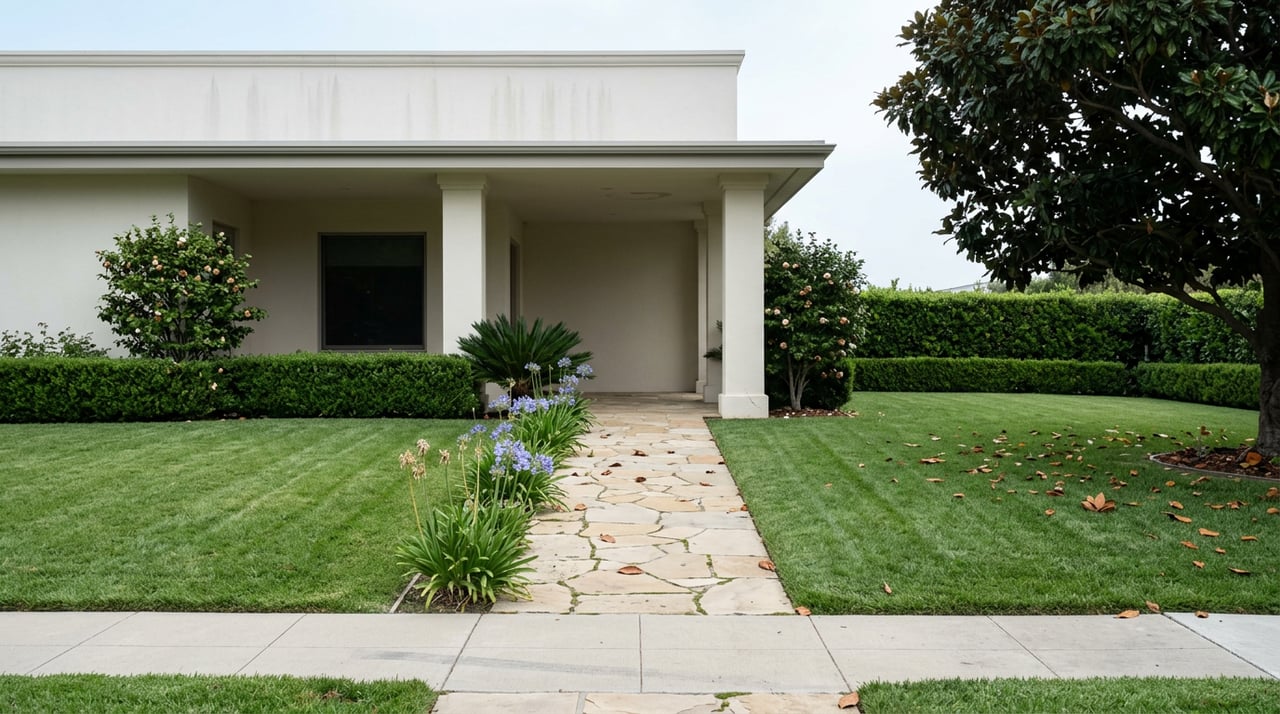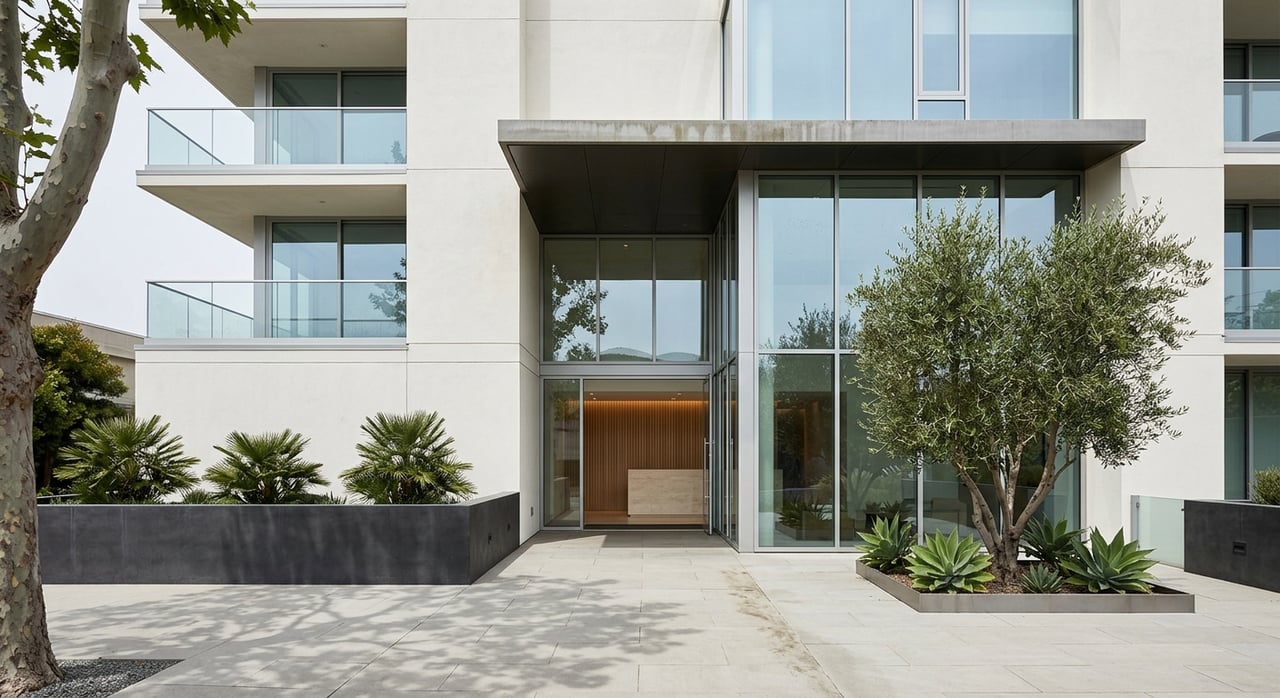
Thinking about leaving behind a large Beverly Hills home for something simpler? You are not alone. In a city where many longtime owners have built substantial equity and convenience matters, downsizing to a condo can be a smart way to reduce upkeep while staying close to the lifestyle you know. The key is making the move with a clear plan for timing, pricing, taxes, and condo selection. Let’s dive in.
Why downsizing makes sense in Beverly Hills
Beverly Hills is well positioned for homeowners who want to simplify without leaving the area. According to the latest U.S. Census QuickFacts for Beverly Hills, 25.4% of residents are age 65 and over, the owner-occupied housing rate is 41.0%, and the median value of owner-occupied homes is more than $2,000,000. That combination helps explain why many owners consider unlocking equity and moving into a lower-maintenance property.
Lifestyle is part of the appeal too. Redfin market data for Beverly Hills gives the city a Walk Score of 75, a Transit Score of 55, and a Bike Score of 52. If you want to trade yard work, stairs, and ongoing estate upkeep for easier day-to-day living, a condo can support that shift.
Start with your downsizing goals
Before you list your current home, define what you want your next chapter to look like. Downsizing is not only about square footage. It is also about how you want to spend your time, how much maintenance you want to manage, and what features will make daily life easier.
A few helpful questions to ask yourself include:
- Do you want to stay in Beverly Hills full time?
- How much space do you actually use today?
- Do you want single-level living or elevator access?
- How important are parking, storage, and guest accommodations?
- Do you want a lock-and-leave home for travel convenience?
When you get specific early, it becomes much easier to decide how to prepare your current home for sale and what type of condo to target.
Price your current home with today’s market in mind
One of the biggest mistakes downsizers make is assuming a strong Beverly Hills address guarantees a fast bidding war. Current market data suggests a more measured approach. Redfin’s February 2026 Beverly Hills housing snapshot shows a median sale price of $4.42 million, median days on market of 108, a 93.3% sale-to-list ratio, and only one offer on average, with Redfin describing the market as not very competitive.
That does not mean your home cannot sell well. It means pricing and negotiation matter. If your property is a legacy home with strong appeal, you may still achieve an excellent result, but the data points to the importance of pricing against current comparables and preparing for a thoughtful negotiation process instead of relying on speed alone.
Understand the condo market before you buy
If you are moving from a larger house into a Beverly Hills condo, it helps to know what the condo segment looks like right now. According to Douglas Elliman’s Q3 2025 Beverly Hills condo market report, the median condo sales price was $1.7 million, the average price per square foot was $953, there were 29 closed sales, and average days on market were 45. The report also noted that condo inventory had increased again.
That can give you meaningful choice, but not every condo will fit your goals. The luxury condo tier, defined in the report as the top 10% of condo sales, started at $2.695 million and had a median sales price of $4.7375 million. In other words, downsizing in Beverly Hills can still involve a wide price range depending on building quality, location, views, and amenities.
Coordinate the sale and purchase carefully
Timing is one of the hardest parts of downsizing. You want to sell well, buy wisely, and avoid feeling rushed on either side of the transaction. This is where planning matters most.
For many eligible homeowners, California Proposition 19 can be a major advantage. The California Board of Equalization states that homeowners age 55 or older, severely disabled homeowners, and certain disaster victims may transfer the base year value of their principal residence to a replacement principal residence anywhere in California, as long as the replacement is purchased or newly constructed within two years of the sale of the original home. The sale and purchase can happen in either order, and the benefit may be used up to three times.
If the replacement property costs more than the original home, the excess value is added to the transferred base year value. That makes it especially important to run numbers early. When you understand the likely sale range of your current home and the price range of your replacement condo, you can make more confident decisions about timing and budget.
Plan for property tax changes
Even when you are prepared for the purchase price, property tax timing can still surprise you. Los Angeles County’s property tax guidance notes that new owners should expect one or two supplemental property tax bills in addition to the annual bill. Those supplemental bills generally arrive three months to one year after acquisition and are usually not covered by impound accounts.
That means your post-move budget should include more than HOA dues and monthly housing costs. It should also account for delayed tax bills so you are not caught off guard after closing.
Prep a legacy home the right way
In Beverly Hills, preparing a longtime family home for sale may involve more than decluttering, paint, and staging. Older properties can raise permit, condition, or historical review questions that affect timing and strategy.
The City of Beverly Hills explains in its demolition permit guidelines that historic preservation verification and clearance must be completed before building or demolition permits are issued, and a separate permit is required for each structure proposed for demolition. The guidelines also show that site-prep issues can include asbestos abatement, sewer-cap work, utility disconnects, rodent control, photo documentation, and site-condition verification.
The city’s historic preservation guidance also notes that properties identified as historic may need a Certificate of Appropriateness for certain exterior changes or demolition-related work. Landmark candidates are generally at least 45 years old unless they have exceptional significance.
For you, the practical takeaway is simple: start with due diligence before making major changes. Reviewing permit history, assessing deferred maintenance, and checking whether historical status could affect repairs or alterations can help you avoid delays once your home hits the market.
Know what to look for in a condo
A condo may be smaller, but it should still support the way you want to live. When you compare options, focus on functionality as much as appearance.
Here are some of the most important condo questions to ask:
- What are the HOA dues, and what do they cover?
- Are there rules around pets, guests, noise, or move-ins?
- Is there secure parking, and how many spaces come with the unit?
- Do you have enough storage for the items you plan to keep?
- Is there elevator access if you want to avoid stairs?
- Does the layout support aging in place comfortably?
A well-chosen condo should make life easier, not just smaller. Layout efficiency, building upkeep, and everyday convenience often matter more than raw square footage.
Build a step-by-step downsizing plan
A smooth move usually starts months before the listing goes live. Breaking the process into stages can keep it manageable.
Step 1: Define your move timeline
Decide when you ideally want to move and whether you want to buy first or sell first. If Proposition 19 may apply to you, build your timeline around its two-year purchase window and your tax-planning goals.
Step 2: Evaluate your current home
Look at condition, deferred maintenance, permit history, and any possible historic review issues. This will help shape your pricing, prep strategy, and expected timeline.
Step 3: Estimate your net proceeds
Use current market conditions, not past peak assumptions. In a market where homes are taking time to sell, realistic pricing and negotiation strategy can have a major effect on your net outcome.
Step 4: Identify your condo must-haves
Separate true needs from nice-to-haves. This helps you move quickly when the right property becomes available.
Step 5: Prepare for the move itself
Start sorting what you will keep, donate, store, or gift. Downsizing is easier when you begin early and make decisions in rounds instead of all at once.
Why guidance matters in a downsizing move
A Beverly Hills downsizing move has more moving parts than a typical sale or purchase. You may be coordinating equity from a legacy property, evaluating tax implications, navigating local property issues, and searching for a condo that fits both your lifestyle and long-term plans.
That is why strategy matters just as much as marketing. You want a plan that protects value on the sale side, keeps your purchase criteria clear, and helps you move on a timeline that feels manageable. If you are thinking about downsizing to a condo in Beverly Hills, The Suarez Team can help you map out your sale, purchase, and timing strategy with a clear, practical approach.
FAQs
What does downsizing to a condo in Beverly Hills usually mean for home maintenance?
- Downsizing to a condo often means less exterior upkeep, less yard work, and fewer ongoing maintenance demands than a larger single-family home.
What is the Beverly Hills condo market like for downsizers?
- According to Douglas Elliman’s Q3 2025 report, Beverly Hills condos had a median sales price of $1.7 million, average days on market of 45, and increasing inventory, which suggests buyers may have meaningful options.
What should you know about selling a longtime Beverly Hills home before downsizing?
- Older Beverly Hills properties may require added due diligence, including permit review, deferred maintenance review, and checking whether historic status could affect repairs, alterations, or timing.
How can Proposition 19 help with a downsizing move in California?
- Eligible homeowners age 55 or older, severely disabled homeowners, and certain disaster victims may be able to transfer the base year value of their principal residence to a replacement principal residence anywhere in California if timing rules are met.
What extra costs should you expect after buying a condo in Los Angeles County?
- In addition to annual property taxes and HOA dues, new owners should expect one or two supplemental property tax bills that may arrive months after closing.