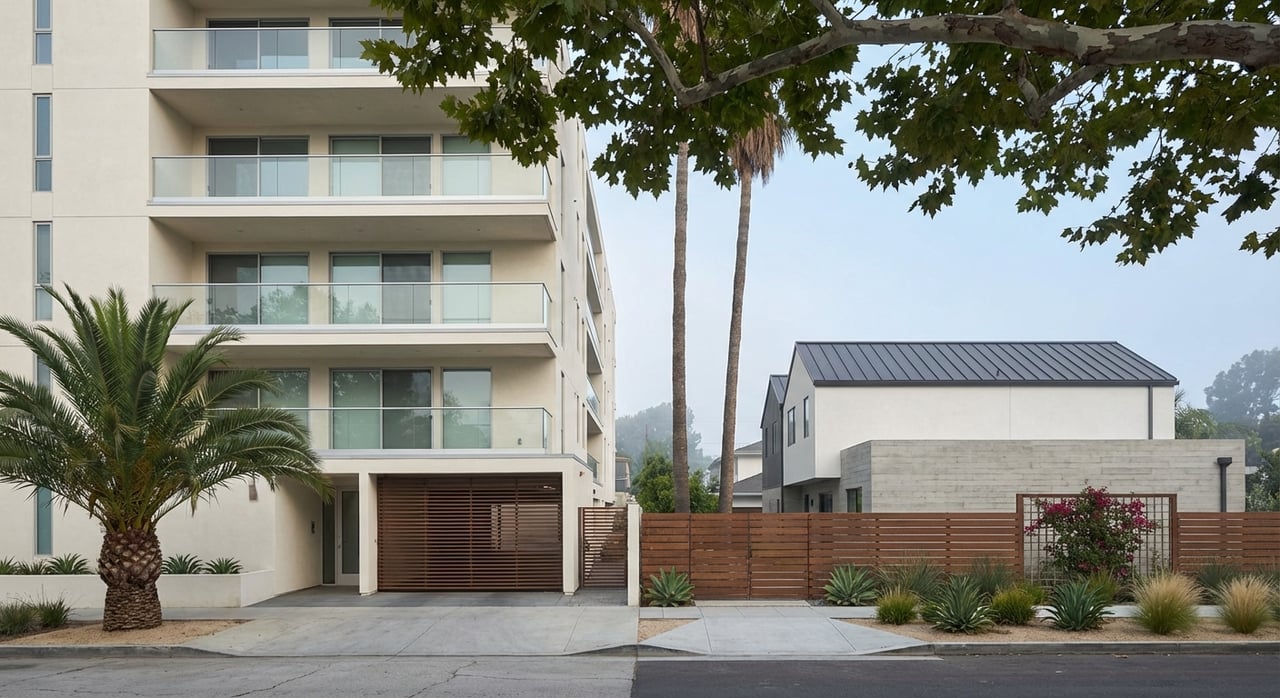
Torn between a condo and a house in Santa Monica? You are not alone. With tight inventory and big price differences by property type, it can feel hard to know where your money goes the farthest. This guide breaks down real costs, lifestyle tradeoffs, financing hurdles, and local rules so you can choose with clarity. Let’s dive in.
Santa Monica market snapshot
Santa Monica is one of the priciest and most segmented markets in Los Angeles. Market medians shift month to month, and providers report different numbers. For example, Redfin showed a citywide median near $1.85 million in December 2025 and about $1.50 million in January 2026, while Zillow’s Home Value Index was around $1.62 million as of December 31, 2025. These differences reflect timing and methodology, so focus on your segment and date the data you use.
The biggest split is by property type. Redfin’s living‑in overview reported a median single‑family sale price near $5.08 million, versus a median condo or co‑op price near $1.05 million at the time of that snapshot. The premium for single‑family homes comes from land value, privacy, and scarcity.
Here is what you typically see by price band in Santa Monica:
- Under ~$1.0 million: Mostly smaller condos, studios, and some 1‑bed units in older garden buildings or compact downtown properties. Supply exists but is limited.
- ~$1.0–$2.0 million: Many renovated condos and townhomes, plus a handful of smaller single‑family homes on inland blocks or smaller lots. Walkable locations near Montana Ave, Main St, and some Ocean Park townhomes often land here.
- ~$2.0–$4.0 million: Larger condos and townhomes, and many single‑family homes in non‑oceanfront neighborhoods or on smaller lots. Sunset Park and south‑of‑the‑Boulevard locations often trade in this range.
- $4.0 million and up: North of Montana single‑family homes, front‑row locations, and premium ocean‑view condos. Luxury product in these pockets often sells for multiple millions.
Pace varies by segment. Citywide median days on market often sits in the multiple‑weeks range, sometimes between 40 and 90 days depending on month and property type. In some months, downtown condos show longer marketing times, even more than 100 days in slower cycles.
Cost of ownership: condo vs house
The condo purchase price is usually lower, but you will share building costs through HOA dues and any special assessments. A single‑family home carries a higher upfront price and full maintenance responsibility, but with more control and no HOA.
HOA dues and what they include
Local reporting shows typical Santa Monica condo or townhome HOA dues often range from a few hundred dollars per month to $800–$1,200 or more for amenity‑rich or beachfront buildings. Coverage is defined by each building’s governing documents, but dues commonly fund the building shell and common areas, master insurance, exterior repairs, elevators, trash, landscaping, and some utilities. Review the HOA’s CC&Rs and budget to confirm exactly what is covered and what is not.
- Local HOA dues context: Typical ranges noted by local reporting
- What HOAs usually cover: California AG’s HOA consumer guide and Davis‑Stirling framework
Who maintains what
- Condos: You usually insure and maintain interiors, while the association handles common areas and often exteriors per the CC&Rs. Expect rules on windows, doors, and any work that touches structure or shared systems. Read the documents for exact lines of responsibility.
- Houses: You control and maintain the entire property, including roof, exterior, yard, and systems. You also set your own repair timeline and finish standards.
Insurance differences
Condo owners typically carry HO‑6 insurance to cover interior finishes, personal property, liability, and to fill gaps between the master policy and your unit coverage. Single‑family owners typically carry HO‑3, which covers the dwelling and other structures. If you buy a condo, consider adding loss‑assessment coverage to help if the HOA levies a covered special assessment. For a quick primer on policy types and coverage scopes, see this condo vs homeowners insurance overview.
Property taxes and other fixed costs
Under Proposition 13, California’s baseline property tax rate is 1 percent of assessed value, plus voter‑approved local bonds and assessments. In Los Angeles County, effective rates often exceed 1 percent once those add‑ons are included. Check the parcel’s exact tax‑rate area with the county or the state’s overview on property tax rules and adjustments. Learn more from the California Board of Equalization.
Financing: where condos differ
Financing a condo can involve extra project review. Many lenders follow Fannie Mae or Freddie Mac project standards. If a building fails project eligibility, you may need a bigger down payment, a higher rate, or a different loan product. FHA and VA also maintain approval lists, and approvals can expire. The safest move is to confirm project status early, before committing to a loan type that depends on warrantability. Review Fannie Mae’s project standards summary with your lender.
Lifestyle tradeoffs to weigh
Maintenance and control
A condo’s appeal is simple: lower day‑to‑day maintenance. You spend less time on landscaping or exterior repairs. In exchange, you accept HOA rules on exterior changes and building upgrades, and you budget monthly dues. A house gives you full control of improvements and timelines, with full responsibility for upkeep.
Privacy, space, and noise
Condos often share walls and corridors, which can mean some noise transfer even in well‑insulated buildings. Many buyers trade a bit of privacy for walkability and amenities. Single‑family homes offer more separation, private outdoor space, and garages that work well if you want room for hobbies or at‑home work.
Parking and mobility
Many condos include deeded or assigned parking, especially in downtown buildings. Single‑family homes often add private garages but may sit on streets with permit parking. Santa Monica is served by Metro’s E Line terminus in Downtown Santa Monica and the local Big Blue Bus, which can reduce car trips in walkable zones.
Schools and planning ahead
If school access matters, verify current attendance boundaries and program offerings directly with the district. Boundaries change over time. Keep your search flexible until you confirm the exact address aligns with your goals.
Renting and short‑term rules
Santa Monica tightly regulates short‑term rentals. Hosted home‑sharing is allowed with a city license, but most unhosted vacation rentals are prohibited, and the city actively enforces violations. Many HOAs also restrict short‑term leasing. If rental income is part of your plan, confirm both city rules and the building’s leasing rules before you buy. See the city’s home‑sharing enforcement update.
Local risks and disclosures to consider
HOA legal framework and owner protections
California’s Davis‑Stirling Act governs most HOAs. It sets standards for budgets, reserves, records access, meetings, and maintenance obligations. As a buyer, you should review CC&Rs, bylaws, the current budget, the reserve study, insurance declarations, meeting minutes, and any pending litigation to understand the association’s health. Start with the Davis‑Stirling overview.
Seismic retrofit mandates
Santa Monica adopted a broad seismic retrofit program that covers many older soft‑story, masonry, non‑ductile concrete, and steel buildings. Costs vary by structure type. Wood soft‑story retrofits were often estimated in the low to mid thousands per unit, while concrete or steel projects can be much higher. If a building still needs work, you could face higher dues or a special assessment. Read a program summary here: city retrofit approvals and impact.
Coastal hazards and climate adaptation
Beach‑adjacent properties can face long‑term flood and sea‑level rise risk. Santa Monica’s Climate Action & Adaptation Plan highlights these hazards and the city is pursuing nature‑based solutions and updated planning. If you are buying near the coast, check flood maps, building elevation, insurance requirements, and the city’s planning updates. See the city’s climate plan overview.
Who should favor a condo vs a house
Every buyer is different, but these profiles can help you focus your search.
- Urban, low‑maintenance buyer: A condo or townhome near Downtown, Third Street Promenade, or Wilshire/Montana can deliver walkability, amenities, and less upkeep. Budget for HOA dues and confirm any project approval needs early if you are financing.
- Family or yard‑focused buyer: A single‑family home in areas like Sunset Park or inland north neighborhoods often delivers yard space, privacy, and a garage. Expect a higher purchase price and plan for ongoing maintenance and property tax.
- Investor or rental‑minded buyer: A condo can be simpler to maintain for long‑term leases, but verify HOA leasing rules and Santa Monica’s rental restrictions before assuming rent timelines or pricing.
- Luxury and coastal lifestyle buyer: Either a high‑end single‑family home on a premium lot or an ocean‑view condo can fit. Validate building amenities, master insurance scope, and any coastal or flood exposure.
A focused due‑diligence checklist
Use this list to reduce surprises and make a confident decision.
- Pull true comparable sales for the specific building and nearby single‑family homes, and date your analysis so you see the latest trend by segment.
- Request the full HOA packet: CC&Rs, bylaws, meeting minutes, current budget, reserve study, insurance declarations, and special‑assessment history. California’s Davis‑Stirling framework explains required disclosures and standards.
- Confirm condo project eligibility with your lender before you rely on any loan product. Review Fannie Mae’s project standards and ask about lender overlays if the project is not approved.
- Verify seismic retrofit status. Ask for city notices, engineering reports, and invoices. Learn why this matters from this retrofit program summary.
- Check short‑term rental rules at both the city and HOA level. The city’s home‑sharing guidance explains enforcement.
- Review coastal and flood exposure. Use FEMA and NOAA viewers for parcel‑level checks and confirm insurance needs. This primer on flood mapping and risk communication is helpful: coastal flood and sea‑level risk basics.
Next steps
Choosing between a condo and a house in Santa Monica comes down to your budget, maintenance tolerance, privacy needs, and risk profile. Condos often win on entry price and convenience, while houses offer control, space, and long‑term flexibility. The right move is the one that matches your life and balances costs you can see today with risks you can manage tomorrow.
If you want a clear plan tailored to your price band and neighborhood short list, reach out to The Suarez Team. Our leadership‑led, Westside‑focused group will map real comps to your goals, pressure‑test HOA and retrofit risks, and guide you to the strongest offer strategy so you buy with confidence.
FAQs
Are condos actually cheaper than houses in Santa Monica?
- Often yes on purchase price, but factor in monthly HOA dues and the possibility of special assessments that can offset savings over time.
What do typical Santa Monica HOA dues cover in a condo?
- They often fund common areas, exterior maintenance, a master insurance policy, landscaping, trash, and shared services, as defined by the building’s CC&Rs and budget.
How do property taxes differ for condos vs houses in Santa Monica?
- Both follow California’s Prop 13 baseline of 1 percent of assessed value plus local bonds and assessments, so your actual bill depends on the purchase price and tax‑rate area.
Why is condo financing sometimes harder than for a house?
- Many loans require the building to meet condo project standards; if a project is ineligible, you may need a different loan type, a larger down payment, or a higher rate.
What seismic retrofit risks should I watch for with condos?
- If a building still needs mandated retrofit work, expect higher dues or a special assessment; check notices, engineering reports, and the HOA reserve study.
Can I do short‑term rentals in my Santa Monica condo or house?
- Hosted home‑sharing requires a city license, unhosted vacation rentals are largely prohibited, and many HOAs restrict short‑term leasing, so verify rules before buying.